
If you are wondering when to aerate your lawn in Charlotte, the answer depends largely on your grass type and when it is actively growing. Tall fescue lawns are generally best aerated in early fall, while warm-season grasses such as Bermuda and Zoysia usually benefit from aeration in late spring or early summer.
Getting the timing right matters. Aerating when your grass is actively growing gives the lawn a better opportunity to recover, develop stronger roots, and make better use of water and nutrients.
At Kept Landscaping, we approach lawn aeration as part of a complete lawn care plan. The goal is simple: aerate at the right time, address soil compaction, and support stronger, healthier turf through Charlotte’s changing seasons.
What Is Lawn Aeration?
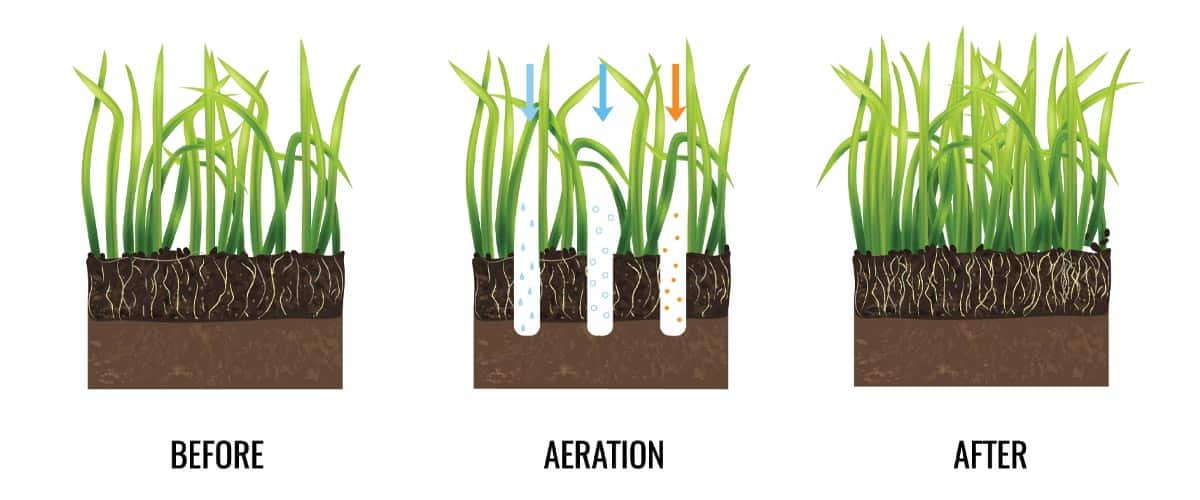
Lawn aeration is the process of creating small openings in the soil to reduce compaction and improve root access to oxygen, moisture, and nutrients.
Over time, soil can become compacted from:
- Foot traffic
- Pets and children playing on the lawn
- Heavy clay soil common in parts of North Carolina
- Mowing equipment
- Rain and regular outdoor use
When soil becomes too compacted, grass roots struggle to grow deeply. This can lead to thin turf, poor drainage, weak color, and reduced resistance to heat and drought stress.
Knowing when to aerate lawn areas affected by compaction can help address these problems before turf condition declines further.
Why Aeration Timing Matters in Charlotte, NC
Charlotte lawns experience a wide range of seasonal conditions. Hot summers, clay-heavy soil, periods of heavy rainfall, and occasional dry spells can all put pressure on turf.
Aeration helps open the soil profile so the lawn can absorb water, nutrients, and oxygen more effectively. However, aerating at the wrong time can place unnecessary stress on grass that is already dormant or struggling.
The best time to aerate is generally during the active growing period for your particular grass type.
Aeration may be worth considering if your lawn shows signs of:
- Hard, compacted soil
- Water pooling or running off the surface
- Thinning or patchy grass
- Heavy thatch buildup
- Weak growth despite regular care
- Bare areas after summer heat
- High-use areas near walkways, patios, or play spaces
Benefits of Aerating at the Right Time
Stronger Root Growth
Aeration gives grass roots more room to expand. When performed during active growth, the lawn can recover quickly and develop a stronger root system.
Deeper roots can make turf more resilient and better able to cope with periods of heat and dry weather.
Better Water Absorption
Compacted soil often causes water to sit on the surface or run off rather than reaching the root zone.
Aeration creates channels that improve water movement into the soil and help the lawn make better use of rainfall and regular watering.
Improved Nutrient Uptake
Fertilizer is most useful when nutrients can reach the roots.
Aerating at the right point in the growing season can support better access to nutrients and create improved conditions for healthy turf development.
Reduced Soil Compaction
Core aeration removes small plugs of soil from the lawn, creating space in the ground and relieving pressure around grass roots.
This can be particularly helpful for lawns with heavy clay soil or frequent foot traffic.
Better Thatch Breakdown
Thatch is a layer of dead grass, roots, and organic matter between the soil and live turf.
A small amount is normal, but excessive buildup can interfere with water and nutrient movement. Aeration can support the natural processes that help break down this material.
When to Aerate Lawn in Charlotte Based on Grass Type
The most important factor when deciding when to aerate lawn is whether you have cool-season or warm-season turf.
Cool-Season Grass: Tall Fescue
For tall fescue lawns, the best time to aerate in Charlotte is usually early fall, commonly around September through October.
Fall temperatures create better growing conditions for fescue after the stress of summer. Aerating during this period gives the grass time to develop stronger roots and recover before winter.
Fall is also a useful time to combine aeration with overseeding, particularly if the lawn has thin, bare, or heat-damaged areas.
Warm-Season Grasses: Bermuda, Zoysia, and Centipede
Warm-season grasses are generally best aerated in late spring through early summer, once the turf is actively growing.
This timing allows Bermuda, Zoysia, and similar grasses to recover quickly and take advantage of warm temperatures, sunlight, and their natural growth cycle.
Aerating warm-season turf too early, before active growth begins, or too late in the season may slow recovery.
Core Aeration vs Spike Aeration
Not all aeration methods work in the same way. The right choice depends on soil condition, turf type, and the level of compaction.
Core Aeration
Core aeration is usually the preferred option for compacted lawns. The equipment removes small plugs of soil, creating open channels through the root zone.
The soil plugs are typically left on the lawn to break down naturally.
Core aeration may be particularly useful for:
- Heavily compacted lawns
- Clay-heavy soil
- Thin or struggling turf
- Lawns that will be overseeded
- Properties with frequent foot traffic
Spike Aeration
Spike aeration creates holes by pushing solid tines into the soil rather than removing cores.
It may provide some benefit for minor surface-level compaction, but because it does not remove soil, it generally does not relieve deeper compaction as effectively as core aeration.
For lawns with significant compaction, core aeration is usually the more appropriate approach.
Should You Overseed After Lawn Aeration?
For tall fescue lawns, aeration and overseeding are commonly paired together in fall.
The openings created through aeration can improve seed-to-soil contact and provide better conditions for new grass to establish.
This can help:
- Fill thin areas
- Improve lawn density
- Enhance turf color
- Reduce open spaces where weeds can establish
- Repair damage from summer stress
For warm-season grasses, overseeding is not always necessary. The best approach depends on the turf type, condition of the lawn, and your longer-term goals.
What to Do Before Lawn Aeration
Once you have established when to aerate lawn areas on your property, a little preparation can help improve the results.
Before aeration, it helps to:
- Mow the lawn to a manageable height
- Water lightly beforehand if the soil is extremely dry
- Mark sprinkler heads and other shallow or hidden obstacles
- Remove toys, hoses, debris, and outdoor items
- Avoid aerating when the ground is saturated or muddy
The soil should have enough moisture for the aerator to penetrate effectively without becoming excessively wet.
What to Do After Lawn Aeration
After aeration, follow-up care helps the lawn make the most of the treatment.
Recommended aftercare may include:
- Leave soil plugs in place to break down naturally
- Water appropriately, especially after overseeding
- Apply fertilizer when it fits the seasonal lawn care plan
- Limit heavy foot traffic for a short period
- Resume mowing once new growth is established
- Continue with an appropriate seasonal maintenance schedule
Aeration is not a solution for every lawn problem, but when performed at the right time, it can create better conditions for stronger turf growth.
DIY vs Professional Lawn Aeration
DIY aeration is possible with rental equipment, but timing and technique still matter.
Professional lawn aeration can offer several advantages:
- Timing based on Charlotte turf types
- Commercial-grade equipment
- More consistent soil core removal
- Assessment of soil compaction and turf condition
- Careful work around landscape features and marked sprinkler components
- Recommendations for overseeding, fertilization, and follow-up care
A professional lawn care team can also help determine whether aeration is the right solution or whether another issue is contributing to poor turf performance.
How Often Should You Aerate Your Lawn?
Many Charlotte lawns may benefit from aeration once per year when soil compaction is an ongoing concern.
However, not every lawn needs to be aerated on exactly the same schedule.
Aeration may be needed more regularly when a property has:
- Heavy clay soil
- High foot traffic
- Poor water absorption
- Persistent thinning
- Recently disturbed soil
- Commercial or HOA maintenance demands
The right frequency depends on your grass type, soil condition, property use, and long-term lawn care goals.
Knowing when to aerate lawn areas should therefore be based on both the season and the actual condition of the property.
Lawn Aeration as Part of a Complete Lawn Care Plan
Aeration works best when it supports a broader lawn maintenance strategy.
For long-term results, turf also needs appropriate mowing, fertilization, weed control, seasonal cleanups, watering, and soil-aware care.
At Kept Landscaping, we take a property-specific approach. We assess the lawn, identify what may be limiting healthy growth, and recommend practical steps based on the turf type, season, and condition of the property.
When Should You Aerate Your Lawn in Charlotte?
If you have a tall fescue lawn, early fall is generally the best time to aerate. For warm-season grasses such as Bermuda and Zoysia, late spring to early summer is typically more appropriate.
The most important thing is to aerate while your particular grass type is actively growing and able to recover.
If your lawn feels compacted, looks thin, struggles to absorb water, or has difficulty recovering after heat and regular use, aeration may help create better conditions for healthier growth.
Kept Landscaping provides professional lawn care and aeration services for residential and commercial properties across Charlotte, NC.
Contact us for a free quotation today.