

Get a FREE QUOTE today!

Blog - Page 3 of 3 - Kept Landscaping

Blog Categories:
Paved outdoor seating area surrounding a fire pit

Outdoor Fireplace vs Fire Pit: Which Is Better for Your Yard?

Outdoor fireplace vs fire pit is a common decision for homeowners in North Carolina who want to get more from their outdoor space, especially during cooler evenings. Both options can add warmth, atmosphere, and functionality, but they create very different experiences. The right choice depends on how you use your yard, how much space you have, your budget, and the type of outdoor setting you want to create. Outdoor Fireplace vs Fire Pit: Understanding the Difference An outdoor fireplace is usually a more permanent, architectural feature. It creates a defined focal point and can help structure an outdoor living area. A fire pit, by comparison, is generally more open and social. It allows people to gather around the fire from multiple sides and often works well in more relaxed or flexible outdoor layouts. Both can enhance your yard, but the better fit comes down to your priorities. The Appeal of an Outdoor Fireplace Outdoor fireplaces can bring a strong sense of structure and elegance to a landscape. They do more than provide warmth; they can also become a central design feature that ties together patios, seating areas, and other hardscape elements. They are particularly well suited to homeowners who want a more intimate, enclosed, or refined outdoor setting. Benefits of an Outdoor Fireplace Architectural Focal Point: An outdoor fireplace can anchor a patio or outdoor living area and create a strong visual feature within the landscape. Enhanced Ambience: Fireplaces can offer a cozy, more private setting that works well for

Read More
Large residence overlooking a landscaped lawn

Low-Maintenance Landscaping Ideas for North Carolina

Transform your outdoor space into a serene haven with these low-maintenance landscaping ideas for North Carolina. Embrace a blend of native flora, water-wise plants, and sustainable practices for a stunning yet effortless landscape. Embrace Native Flora: A Foundation of Resilience Embracing native flora is the cornerstone of creating a resilient, low-maintenance landscape in North Carolina’s unique ecosystem. Opting for plants indigenous to the area offers numerous benefits, from thriving in local conditions without extensive care to supporting the surrounding wildlife. Why Native Plants? Natural Adaptation: Thrive in local climate and soil. Pest Resistance: Less need for chemical treatments. Water Efficiency: Require minimal irrigation. Wildlife Support: Foster local biodiversity. Recommended Native Plants Trees: Dogwood (Cornus florida), Red Maple (Acer rubrum) Shrubs: Wax Myrtle (Morella cerifera), Sweet Pepperbush (Clethra alnifolia) Flowers: Black-eyed Susan (Rudbeckia hirta), Coneflower (Echinacea purpurea) Water-Wise Landscaping: Conserving Resources Water-wise landscaping is a smart and sustainable approach for homeowners in North Carolina, aiming to conserve resources while enjoying a vibrant garden. Succulents play a pivotal role in this strategy due to their remarkable ability to store water in their leaves, minimizing the need for frequent watering. These plants are low-maintenance, require minimal pruning, and offer an aesthetic diversity with varied colors and textures. The Role of Succulents Low Water Needs: Store water in leaves. Minimal Maintenance: Rarely requires pruning. Aesthetic Variety: Offer diverse colors and textures. Ideal Succulent Types Sempervivum Agave Euphorbia Perennial Charm: Long-Lasting Beauty Perennial plants blend long-lasting beauty and sustainable landscapes, making them an ideal choice

Read More
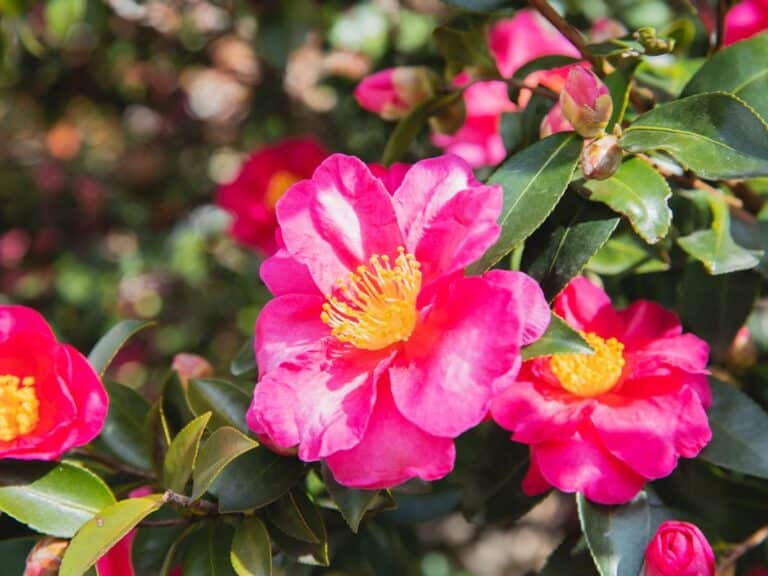
Pink Camellia sasanqua flowers and glossy green leaves

Winter Landscaping Ideas for North Carolina Properties

Winter landscaping is a great way to keep your outdoor space attractive, functional, and inviting during the colder months. With the right mix of plants, lighting, and seasonal features, North Carolina properties can maintain strong curb appeal throughout winter. Discover how thoughtful planting and decor can help create a welcoming winter landscape that still feels full of character, even when temperatures drop. Celebrating North Carolina’s Winter Landscape North Carolina’s diverse climate provides plenty of opportunities for attractive winter landscaping. Choosing plants that perform well in cooler conditions can help add color, structure, and visual interest when many other parts of the landscape become dormant. Plants such as Camellia Sasanqua, known for its winter blooms, can help capture the character of North Carolina’s landscape while providing seasonal interest. Winter-Resilient Plants for Your Landscape Camellia Sasanqua Often called the “Christmas Camellia,” this plant blooms through fall and winter, adding color to the landscape during the colder months. Winterberry Holly Known for its striking red berries, Winterberry Holly can brighten winter landscaping while also providing a food source for local birdlife. Japanese Maple Even after its leaves fall, the distinctive branching structure of a Japanese Maple can add shape and visual interest to a winter garden. Pansies and Violas Hardy and colorful, pansies and violas can perform well during North Carolina’s milder winter conditions, adding welcome color to beds and entryways. Designing an Inviting Winter Landscape Effective winter landscaping is not only about plants. Carefully selected outdoor features can help create a warmer,

Read More