Get a FREE QUOTE today!

Lawn Maintenance Blog

Blog Categories:

How to Help a Drought-Stressed Lawn Recover and Thrive Again

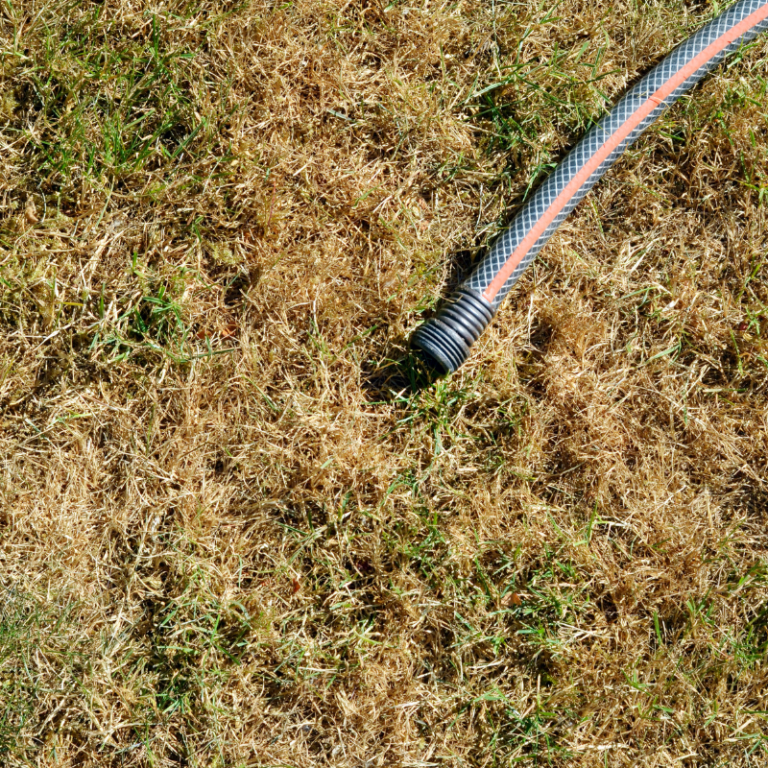
A drought-stressed lawn can turn brown, thin, and weak after weeks of heat and little rain. The answer is not always more water. First, find out what is alive, what caused the stress, and which areas need repair. How to identify a drought-stressed lawn A drought-stressed lawn is grass that loses water faster than its roots can replace it. Growth may slow before the lawn turns brown. Look for gray-green or brown grass, folded blades, lasting footprints, thin turf, bare spots, and hard soil. Water may run off instead of soaking in. Dry strips may match weak sprinkler coverage, slopes, pavement, or busy walkways. Other problems can look like drought, so do not judge by color alone. Is the grass dormant or actually damaged? Brown grass is not always dead; some turf goes dormant to preserve water. The blades turn brown, but the crown and roots stay alive. Dormant turf often browns evenly and starts to green when cooler weather and moisture return. Dead areas stay brittle, thin, or bare while nearby grass improves. Grass type matters. Tall fescue often struggles during North Carolina summers and may recover in fall. Warm-season grasses, such as bermudagrass and zoysiagrass, follow a different repair schedule. Learn more about seasonal care for North Carolina turf in NC State Extension’s guide to maintaining an established lawn. Before replacing large areas, identify the grass and rule out pests, disease, and irrigation gaps. How to help a drought-stressed lawn recover 1. Inspect the soil and watering coverage

Read More
Stone-lined drainage channel bordering a green lawn

How to Improve Yard Drainage in Charlotte’s Clay Soil

Charlotte’s Piedmont region is known for its striking red clay soil, which is exactly why knowing how to improve drainage in clay soil is so important for local property owners. This red-hued landscape is a big part of what makes our yards unique, but when it comes to water movement, that beauty can hide a major problem. Unlike sandy soil, which allows water to pass through more easily, clay is dense and slow-draining, meaning it can hold onto moisture for much longer. Combine that with Charlotte’s seasonal downpours, and you have a recipe for standing water, erosion, muddy lawns, and even stress around foundations. Why drainage matters in Charlotte Poor drainage may first look like a simple inconvenience, but pooling water can cause bigger problems for the health and functionality of your yard. These can include: Persistent puddles that damage lawns and plants Erosion that strips away topsoil and landscape materials Excess water collecting around foundations Mosquito breeding areas and other pest concerns Charlotte receives significant rainfall throughout the year, often in heavy bursts during spring and summer storms. Without a clear drainage plan, repeated downpours can leave parts of your yard saturated long after the rain has stopped. That is why understanding how to improve drainage in clay soil is not only about curb appeal. It is also about protecting turf, planting beds, hardscaping, and other parts of the property from repeated water problems. Why Clay Soil Makes Drainage More Difficult Clay soil is made up of very small

Read More
Winter lawn maintenance at a North Carolina home

Winter Yard Preparation for Charlotte, NC Properties

As cooler temperatures settle in, winter yard preparation becomes an important part of protecting your Charlotte, NC property. While the region does not usually experience prolonged periods of extreme winter weather, cold snaps, frost, and changing temperatures can still affect lawns, plants, drainage, and outdoor features. Fortunately, with the right seasonal care, you can protect your landscape, maintain curb appeal, and create a stronger foundation for spring growth. This guide covers the key steps for effective winter yard preparation in Charlotte. Why Winter Yard Preparation Matters Charlotte’s winters may be milder than those in northern states, but that does not mean landscapes can be ignored once temperatures drop. Cold snaps, frost, heavy rain, and changing soil conditions can all place stress on outdoor spaces and undo some of the progress made during the growing season. Good winter yard preparation can help support: Healthier root systems through colder weather Reduced risk of certain pest and disease problems Less cleanup and corrective work in spring Continued curb appeal Better protection for plants, turf, and hardscape areas Winter preparation is often less about surviving extreme cold and more about keeping the landscape in good condition until active growth returns. Here are several steps to help get your property winter-ready. Step 1: Clean Up and Clear Out A good winter yard preparation plan starts with a clean landscape. Begin by: Raking leaves and removing debris. Thick layers of fallen leaves can block sunlight, hold moisture, and create poor conditions for the turf underneath. Removing

Read More
Professionally maintained lawn with crisp mowing lines

What Is Full-Service Lawn Care and What Does It Include?

What is full service lawn care, and how is it different from basic mowing? Full-service lawn care is about more than keeping grass short. It takes a broader approach to maintaining a healthier, cleaner, and more reliable outdoor space through mowing, fertilization, weed control, seasonal cleanups, pruning, turf care, and property-specific landscape maintenance. For homeowners, that can mean better curb appeal, fewer weekend headaches, and a lawn that holds up through Charlotte’s heat, rain, and seasonal changes. For commercial properties, HOAs, and property managers, it means consistent presentation, safer outdoor areas, and one dependable team managing the details before they become bigger problems. At Kept Landscaping, we provide complete lawn care and landscape maintenance for residential and commercial properties across Charlotte, NC. What Is Full Service Lawn Care? Full-service lawn care means your lawn and surrounding landscape are managed as one connected system rather than as separate tasks that are only addressed when something looks wrong. Instead of simply mowing the grass, a full-service plan may include: Lawn mowing and edging Fertilization and weed control Soil health and turf management Seasonal cleanups Mulching and pine needle installation Shrub and tree pruning Monitoring watering and drainage concerns Seasonal color and plant care Landscape enhancements Hardscape and lighting recommendations when needed The goal is simple: keep your property neat, healthy, and well maintained throughout the year. Learn more about our landscape maintenance services in Charlotte, NC. Why Full-Service Lawn Care Matters in Charlotte, NC Charlotte lawns face a wide range of conditions

Read More
Large lawn with alternating freshly mown stripes

Commercial Lawn Maintenance Cost and What Businesses Should Expect

Commercial lawn maintenance cost depends on much more than how often the grass needs to be cut. Property size, service frequency, turf condition, seasonal needs, landscaping complexity, and the level of ongoing care required can all affect what a business pays. At Kept Landscaping, we provide dependable commercial lawn and landscape maintenance for businesses, office parks, retail centers, multifamily properties, HOAs, and other commercial sites across Charlotte. Our approach is based on building a property-specific maintenance plan rather than applying the same package to every site. If you are budgeting for commercial lawn care, understanding what goes into the cost can help you compare services properly and make better long-term decisions for your property. What Determines Commercial Lawn Maintenance Cost? There is no single standard price for commercial lawn maintenance because every property has different requirements. A small office property with limited turf and simple landscaping will usually require a very different maintenance plan from a large retail center, HOA, or multifamily development. Some of the main factors that influence commercial lawn maintenance cost include: Property size Amount of turf that needs to be maintained Mowing frequency Number and size of landscape beds Edging and trimming requirements Seasonal cleanup needs Turf condition Weed and fertilization requirements Site accessibility Slopes, obstacles, and difficult-to-reach areas Overall level of presentation required The best way to determine an appropriate maintenance budget is through a property walkthrough and clearly defined scope of work. What Is Usually Included in Commercial Lawn Maintenance? Commercial lawn maintenance should

Read More
Manicured lawn surrounded by trees and garden beds

Hiring a Lawn Care Company? What to Look for Before You Choose

Hiring a lawn care company can make maintaining your Charlotte property far easier, especially when work, family, and everyday life leave little time for consistent yard maintenance. Charlotte’s four distinct seasons bring everything from spring growth and summer heat to autumn leaves and winter slowdowns, which means lawns need different care throughout the year. The right lawn care company can help keep your property neat, healthy, and well-maintained while giving you more time to enjoy your outdoor space instead of constantly working on it. Why Hiring a Lawn Care Company Can Be Worth It A professionally maintained lawn can boost curb appeal and help protect your property’s overall condition, but the benefits go beyond appearance. Here are some of the main reasons homeowners consider hiring a lawn care company: More Time and Less Weekend Work Regular mowing, edging, trimming, cleanup, and seasonal care can take a lot of time. Hiring a lawn care company lets you hand those recurring tasks to a dependable team, giving you more time to spend with family, enjoy your home, or simply take a break from yard work. Local Lawn Care Knowledge Charlotte lawns face specific challenges throughout the year, including summer heat, seasonal weeds, clay-heavy soil, changing rainfall, and different grass types. An experienced lawn care company should understand these local conditions and adjust maintenance to the season and your lawn’s needs. That can help create healthier turf and reduce unnecessary treatments or maintenance. The Right Equipment for the Job Professional lawn care teams

Read More
Lawn being aerated with a mechanical core aerator

When to Aerate Your Lawn in Charlotte, NC

If you are wondering when to aerate your lawn in Charlotte, the answer depends largely on your grass type and when it is actively growing. Tall fescue lawns are generally best aerated in early fall, while warm-season grasses such as Bermuda and Zoysia usually benefit from aeration in late spring or early summer. Getting the timing right matters. Aerating when your grass is actively growing gives the lawn a better opportunity to recover, develop stronger roots, and make better use of water and nutrients. At Kept Landscaping, we approach lawn aeration as part of a complete lawn care plan. The goal is simple: aerate at the right time, address soil compaction, and support stronger, healthier turf through Charlotte’s changing seasons. What Is Lawn Aeration?   Lawn aeration is the process of creating small openings in the soil to reduce compaction and improve root access to oxygen, moisture, and nutrients. Over time, soil can become compacted from: Foot traffic Pets and children playing on the lawn Heavy clay soil common in parts of North Carolina Mowing equipment Rain and regular outdoor use When soil becomes too compacted, grass roots struggle to grow deeply. This can lead to thin turf, poor drainage, weak color, and reduced resistance to heat and drought stress. Knowing when to aerate lawn areas affected by compaction can help address these problems before turf condition declines further. Why Aeration Timing Matters in Charlotte, NC Charlotte lawns experience a wide range of seasonal conditions. Hot summers, clay-heavy soil, periods

Read More
Landscaping professional maintaining a healthy green lawn

North Carolina Lawn Care Schedule for Every Season

A North Carolina lawn care schedule should be built around the season, your grass type, and the conditions on your property. Between hot, humid summers, mild winters, seasonal weed pressure, and the state’s mix of warm-season and cool-season turf, lawns need the right care at the right time. At Kept Landscaping, we provide tailored lawn care solutions for residential and commercial properties across Charlotte, helping clients maintain healthier grass, stronger roots, better curb appeal, and fewer long-term lawn problems. Why a North Carolina Lawn Care Schedule Needs a Local Approach North Carolina lawns face specific growing conditions. Heat, humidity, clay-heavy soil, changing rainfall, and seasonal temperature shifts can all affect how turf looks and performs throughout the year. That is why a North Carolina lawn care schedule should never be one-size-fits-all. A good plan should take into account: Grass type Soil condition Sun and shade patterns Drainage performance Foot traffic Seasonal weed pressure Watering needs A lawn that performs well in one property may need a very different maintenance plan in another. Local conditions and turf type both matter. Choosing the Right Grass for Your Lawn   One of the biggest factors in building the right lawn care schedule is knowing what kind of grass you have. Warm-season grasses Warm-season grasses such as Bermuda and Zoysia perform well during North Carolina’s hotter months. They are often selected for their heat tolerance and ability to recover during the active growing season. These lawns typically: Thrive in full sun Grow most actively

Read More
Healthy residential lawn surrounded by spring landscaping

Resident’s Guide For Spring Lawn Care in Charlotte

Spring brings unique challenges and opportunities for lawns, so we’ve put together a resident’s guide for spring lawn care in Charlotte, North Carolina.  As specialists in this field, we understand the nuances of the local climate and soil in North Carolina, and we’re here to guide you through a comprehensive spring lawn care plan.  Understanding Your Lawn’s Needs Soil Testing: The First Step Why Test Your Soil: Soil testing reveals vital pH, nutrient levels, and soil composition information. How to Test: Collect samples from various parts of your lawn. Utilize local extension services for accurate results. Weed Prevention Strategies Timing is Key: Apply pre-emergent herbicides before weeds appear, ideally in early spring. Selecting the Right Product: Choose herbicides effective against common Charlotte weeds like crabgrass (Digitaria). Watering Techniques for a Lush Lawn Efficient Watering Practices When to Start: Begin watering when your lawn shows signs of growth. Avoid overwatering. The Right Amount: Ensure your watering penetrates 4-6 inches into the soil. Advanced Watering Tips Irrigation Audits: Conduct regular checks to ensure even distribution. Timing Matters: Water early in the morning to reduce evaporation and disease risk. Mowing for Optimal Health The Art of Mowing Right Height: Different grass types have specific height requirements. Mow accordingly. Sharp Blades: Use sharp blades to avoid damaging grass. Clippings: Your Natural Fertilizer Recycle Clippings: Leave clippings on the lawn as they provide nutrients and reduce the need for additional fertilizers. Tackling Lawn Diseases and Pests Identifying Common Problems Grubs and Insects: Learn to identify

Read More